NFPA 2112 vs NFPA 70E: What They Mean For Your Crew
Both standards matter — and most industrial FR programs require both. Here is how they differ and why "dual-rated" is the phrase to look for.
September 12, 2025 · 5 min read · by Summit Work Apparel®
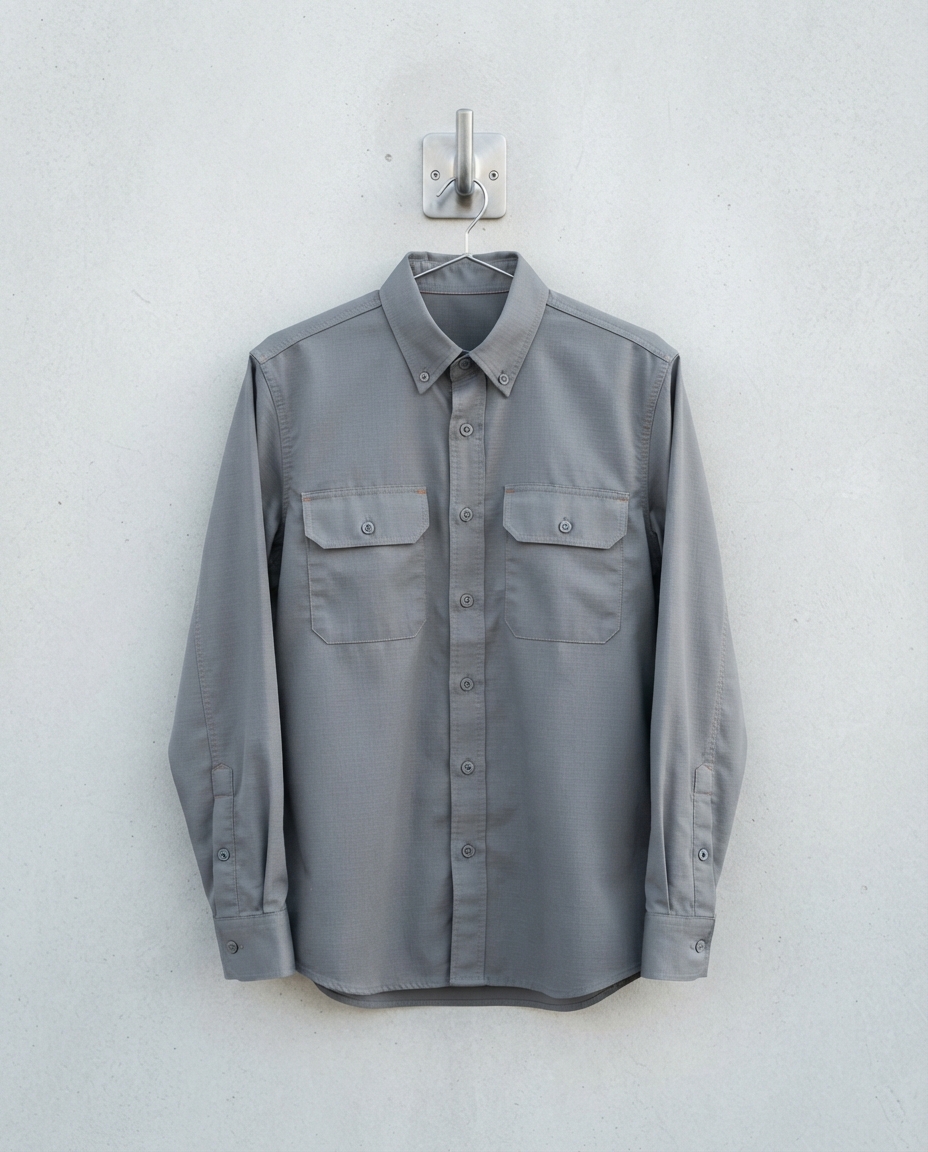
If you outfit a crew that works around flash fire or arc flash, you have probably seen two NFPA numbers stamped on garment labels: NFPA 2112 and NFPA 70E. They look similar, but they protect against two different hazards. Here is the practical breakdown.
NFPA 2112 — Flash Fire Protection
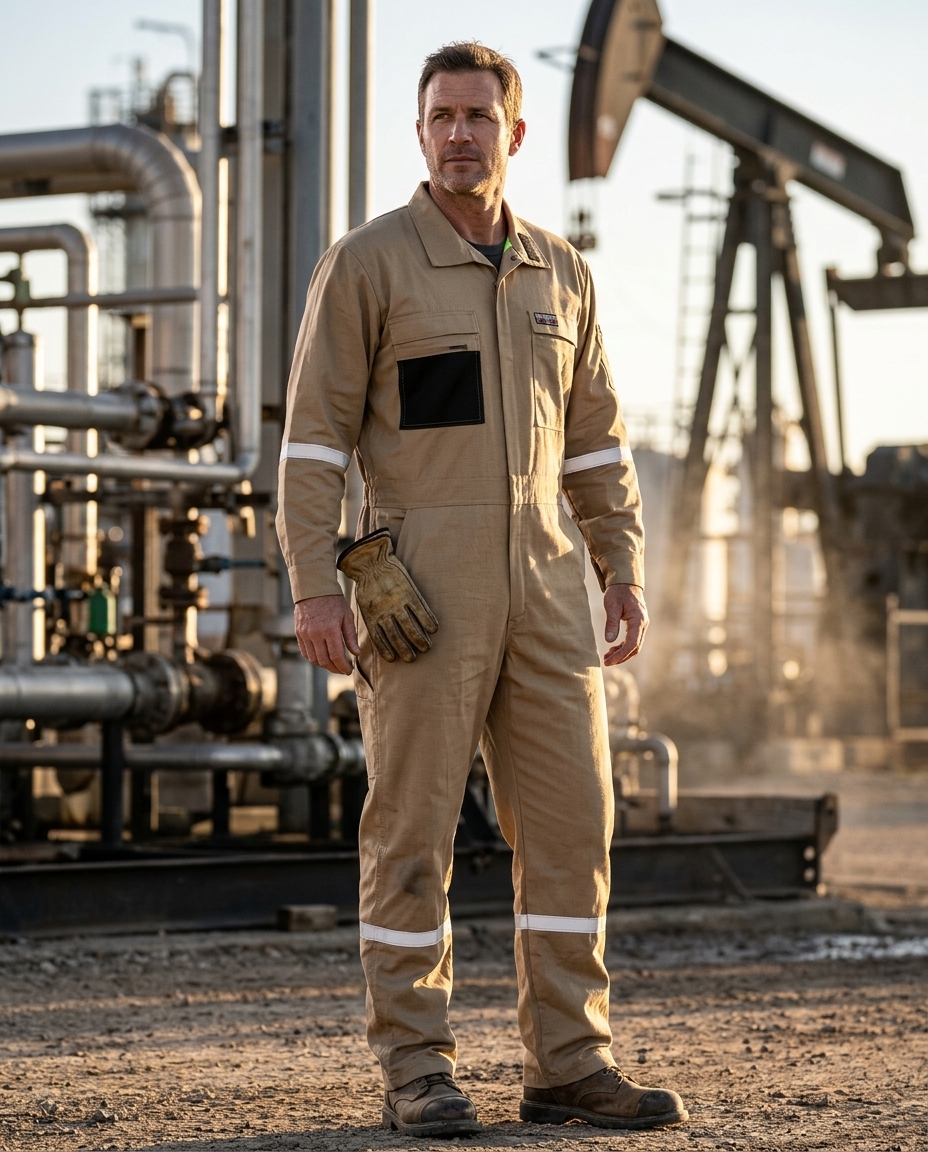
NFPA 2112 is the standard for flame-resistant garments for industrial personnel against short-duration thermal exposures — in plain terms, flash fires. To pass, the garment must self-extinguish within a defined window after a calibrated open-flame exposure, and it must limit the burn injury percentage below a threshold.
Think of NFPA 2112 as your "if a hydrocarbon fireball rolls through the plant, your crew has a chance" certification.
NFPA 70E — Arc Flash Protection
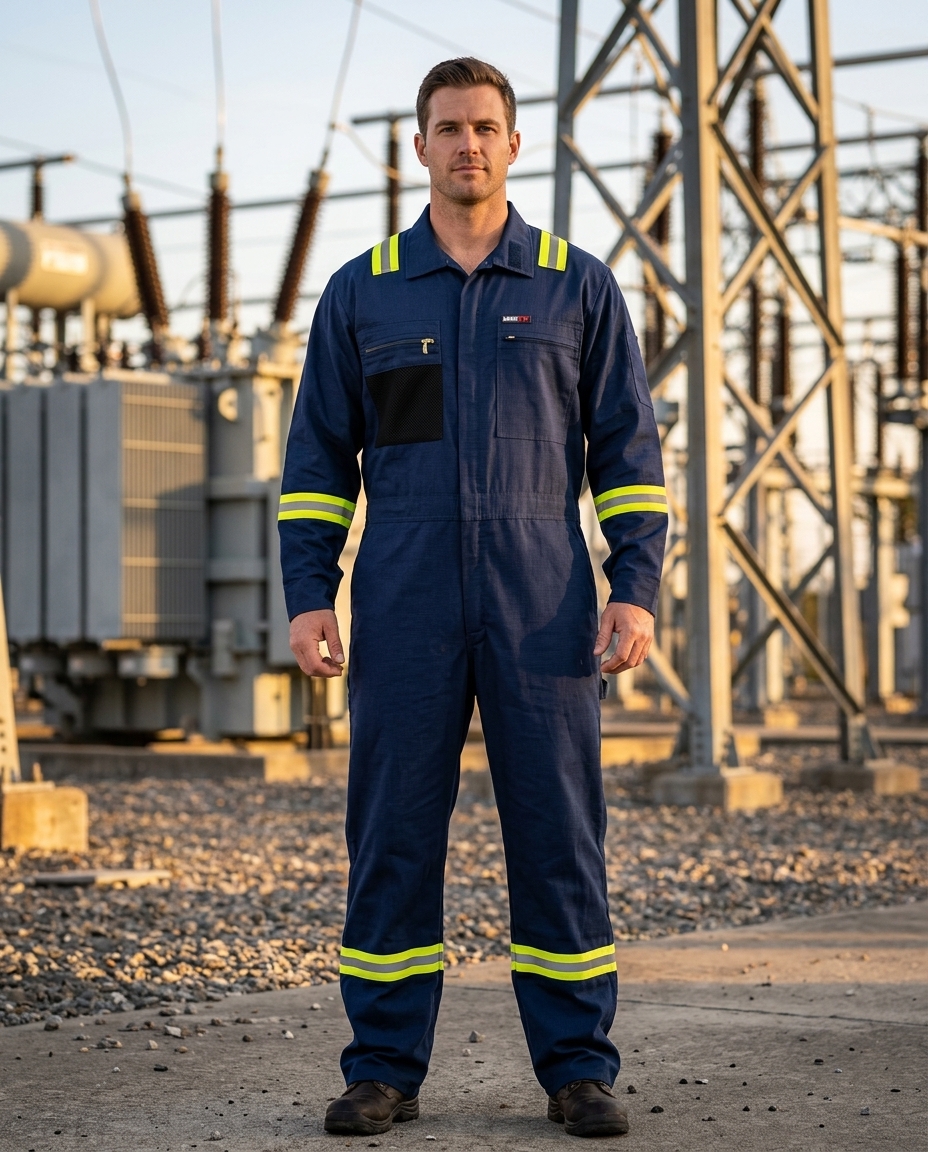
NFPA 70E addresses electrical safety in the workplace. The garment piece of it gives your workers an arc rating, measured in cal/cm². CAT 2 — the rating on most Summit garments — covers ATPV values from 8 to 24 cal/cm², which is the range that handles most routine industrial work around energized equipment.
Why being dual-rated matters
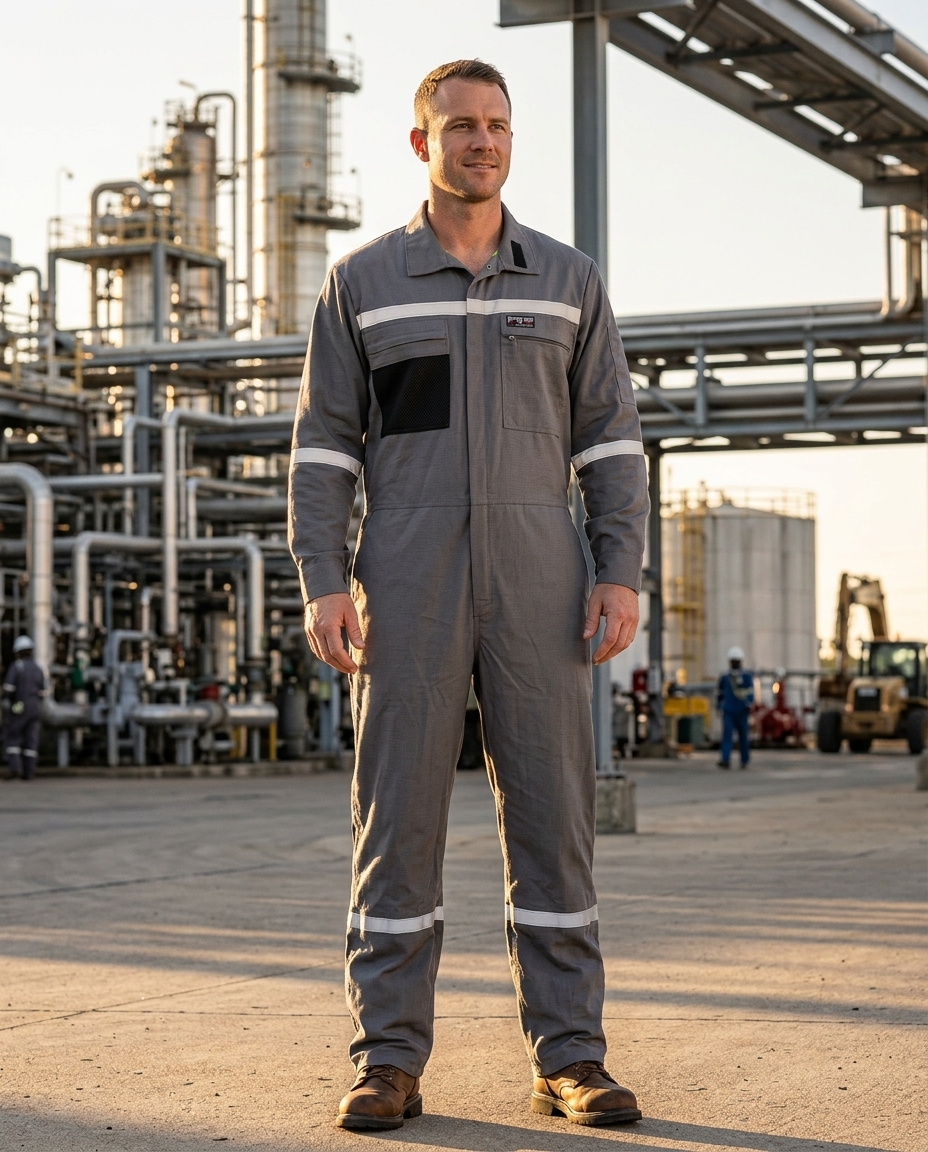
Most real-world hazards are not labeled cleanly. A refinery worker can face hydrocarbon flash fire and an arc-flash event from a switchgear room on the same shift. A garment labeled "NFPA 2112" only protects against one. A garment labeled "NFPA 70E" only protects against the other. A garment labeled both covers the full range.
That is why every Summit Work Apparel® coverall, shirt, and jean at the dual-rated CAT 2 level carries both certifications side by side — not because the auditor asked, but because the job does not pick one hazard and stick to it.
What to look for on the label
- Hazard category (CAT) — 2 is the industrial workhorse. CAT 3 and 4 step up cal/cm² ratings for higher-energy work.
- ATPV value — the arc rating in cal/cm² printed right on the spec sheet.
- UL certification mark — independent lab verification, not self-declared.
- Oeko-Tex Standard 100 — confirms no harmful chemical treatment, which matters for inherent FR fabrics.
When the spec sheet says "dual-rated CAT 2," that is your shorthand for "this garment passes both standards and is independently certified." If a vendor cannot tell you both certifications clearly, keep looking.